World's First Dual Glucose-ketone Sensing Technology, world record set by Abbott
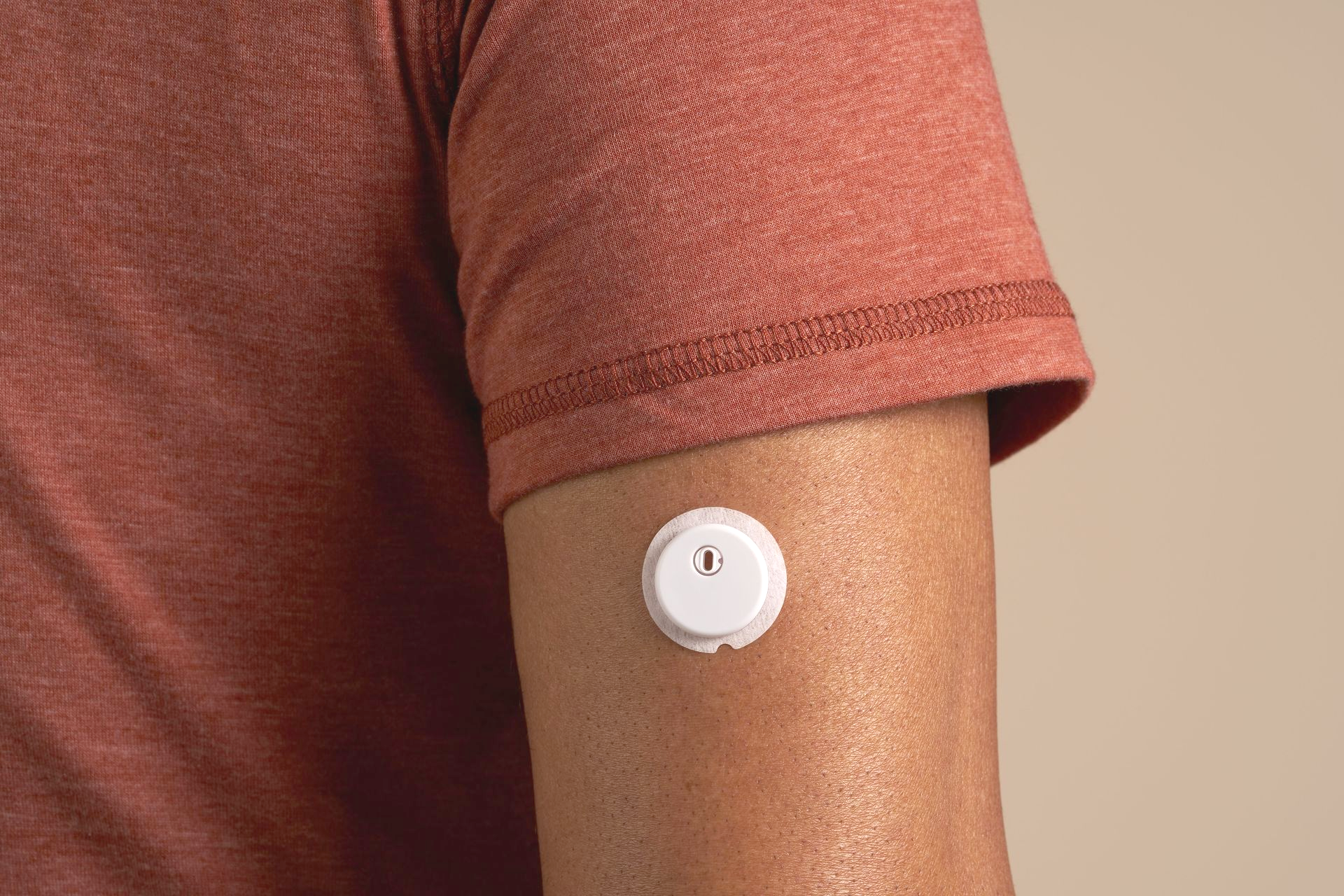
ABBOTT PARK, Illinois, USA--Abbott (NYSE: ABT), a global healthcare leader, has secured CE Mark for the Abbott’s Libre Duo system, which combines continuous tracking for both glucose and ketones into a single wearable sensor to help prevent diabetic ketoacidosis (DKA), setting the world record for the world's first dual glucose-ketone sensing technology for people with diabetes, according to the WORLD RECORD ACADEMY.
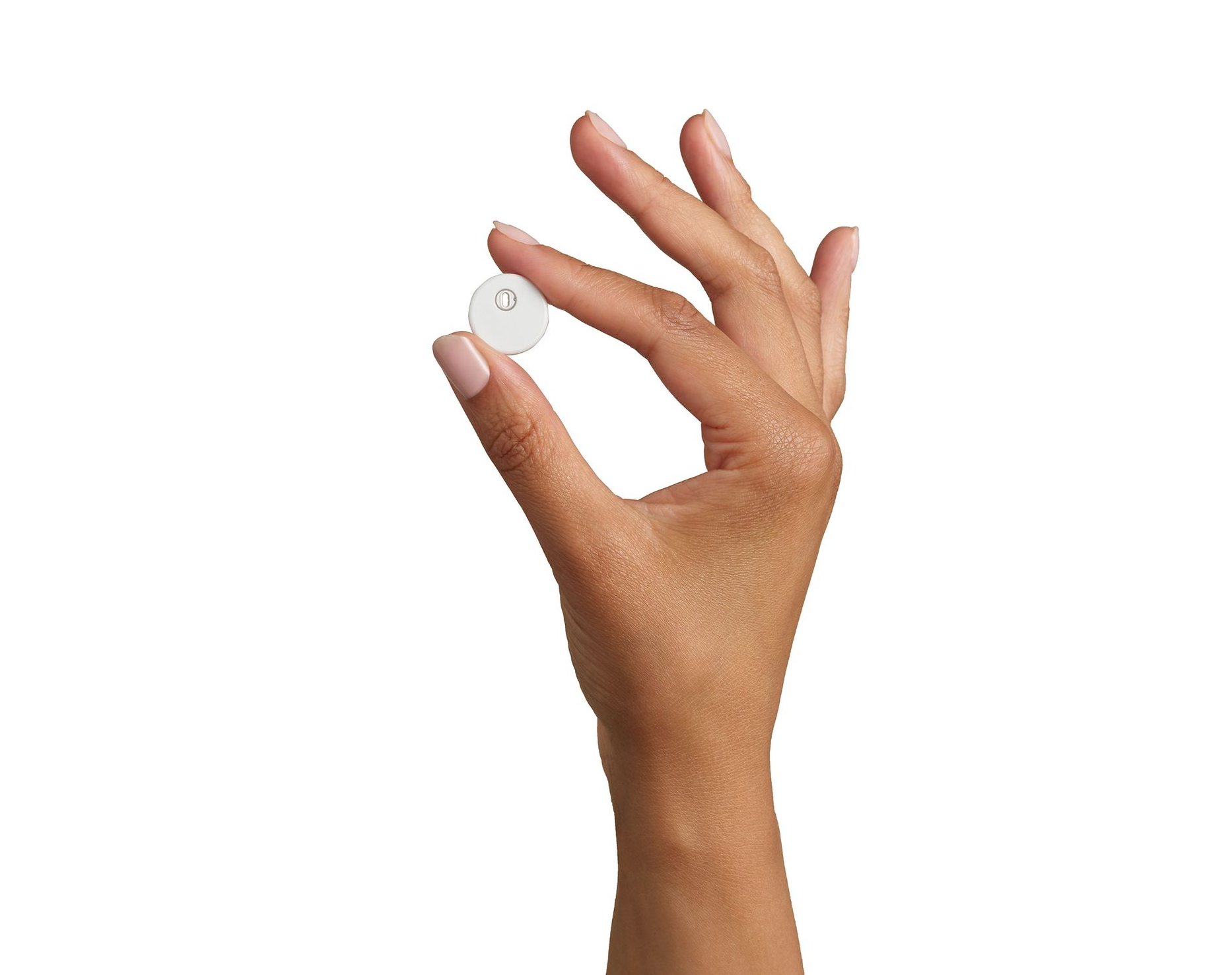
"Abbott (NYSE: ABT), a global healthcare leader, announced today it has secured CE Mark for the world's first dual glucose‑ketone sensing technology for people with diabetes," the official press release says.
"Branded as Libre Duo and Libre Duo 10 Day, the systems are designed to continuously measure glucose and ketone levels every minute, providing real-time visibility into both glucose levels needed for daily diabetes management as well as rising ketones that can lead to a diabetic ketoacidosis (DKA) emergency.
"This marks the first time people with diabetes will be able to monitor ketones without traditional blood or urine tests. Abbott plans to begin launching Libre Duo systems in select European countries later this year.
"Why monitoring ketones matters for people with diabetes
In people with diabetes, DKA develops when the body does not have enough insulin and begins breaking down fat for energy, causing ketones to rise to dangerous levels in the blood.1 According to the American Diabetes Association, elevated ketones can escalate to DKA within hours and, if left untreated, can lead to coma or death.1 Yet, despite clinical guidance recommending ketone testing during illness or periods of elevated glucose, early detection remains a persistent challenge.
How Libre Duo systems work
"Libre Duo systems continuously monitor both glucose and ketone levels, reducing reliance on blood or urine tests that capture only a single moment in time. The sensors are designed to help people with diabetes monitor glucose levels – the standard of care for daily diabetes management – while also alerting people to rising ketones so they can act sooner and potentially avoid a serious DKA emergency.
"This CE Mark covers two Libre Duo systems. Libre Duo delivers up to 15 days of wear and will be offered to adults ages 18 and older. Libre Duo 10 Day offers up to 10 days of wear and is intended for people ages 2 and older. Clinical data indicate that a 10-day sensor can help active youth complete the full wear period. Both sensors deliver consistent, strong accuracy.
"Libre Duo systems will integrate with Abbott's Libre digital health ecosystem, enabling users to share glucose and ketone data with caregivers and healthcare providers. Abbott is also working with leading pump companies to allow automated insulin delivery (AID) systems to connect with the sensors," the
official press release says.
"A growing gap in diabetes care
DKA can develop quickly and is often difficult to detect early. Because ketones are not routinely monitored, warning signs are frequently missed, contributing to delayed intervention and rising rates of DKA. Recent data illustrate the scale of these challenges:
- Glucose and ketones don't always rise together: Ketones can rise independently of glucose levels and, in some cases, even when glucose appears in range – which can delay detection of diabetic ketoacidosis (DKA) risk.2
- DKA rates are rising: According to research published in the peer-reviewed journal, Diabetes Care, hospital admissions for DKA have increased approximately 55% over the past decade, and the U.S. Centers for Disease Control and Prevention (CDC) lists DKA as a leading cause of death among children and adults under age 58 with Type 1 diabetes.3 A recent analysis of nearly 660,000 people in the United Kingdom, conducted by leading diabetes researchers and presented at the 2026 Conference for Advanced Technologies & Treatments for Diabetes (ATTD), found that DKA rates are increasing among people with both Type 1 and Type 2 diabetes, with a high risk of recurrence. Over the 23-year study period, DKA incidence in adults with Type 1 diabetes more than tripled, while incidence among people with Type 2 diabetes increased sixfold.
- DKA leads to more hospitalizations than hypoglycemia: According to the CDC, DKA accounts for approximately four times more hospitalizations than hypoglycemia, making it the dominant driver of acute diabetes-related healthcare utilization in the U.S.
- Symptoms are often missed: Early signs of rising ketones, such as nausea, fatigue or flu‑like illness, are frequently mistaken for common infections, delaying recognition and treatment.2,6,7
- Ketone monitoring remains limited: In a survey of nearly 3,000 people with Type 1 diabetes published in the peer-reviewed journal, Diabetes Care, only 18% reported having a blood ketone meter at home, while nearly one‑third reported having no ketone testing supplies – blood meters or urine strips," the official press release says.
The world's first dual glucose-ketone sensing technology is Abbott’s Libre Duo system, which received the European CE Mark on May 27, 2026. It combines continuous tracking for both glucose and ketones into a single wearable sensor to help prevent diabetic ketoacidosis (DKA).
System Features and Versions
- Libre Duo: Designed with a 15-day wear time for adults aged 18 and older.
- Libre Duo 10 Day: Designed with a 10-day wear time for individuals aged 2 and older.
- Measurement Frequency: Measures both glucose and ketone levels every single minute.
- Ecosystem Integration: Connects with the Libre digital health network to share real-time alerts and data with caregivers or doctors.
- Pump Compatibility: Built to work alongside leading automated insulin delivery (AID) systems.
"Diabetic ketoacidosis (DKA) is a serious, life-threatening complication of diabetes. Although individuals who are at risk for DKA are advised to monitor ketone levels, adherence to monitoring is suboptimal. Continuous ketone monitoring is an emerging technology with the potential to address many of the limitations of current monitoring methods.
"Abbott Diabetes Care (Alameda, CA) has developed a continuous dual glucose-ketone sensor that measures both interstitial glucose and ketone levels simultaneously, transmitting the information in a continuous stream of data to users.
"However, one of the challenges in this effort was developing a sensor that can be factory-calibrated to ensure accuracy, safety, and user convenience," the National Institute of Health says.


Related world records