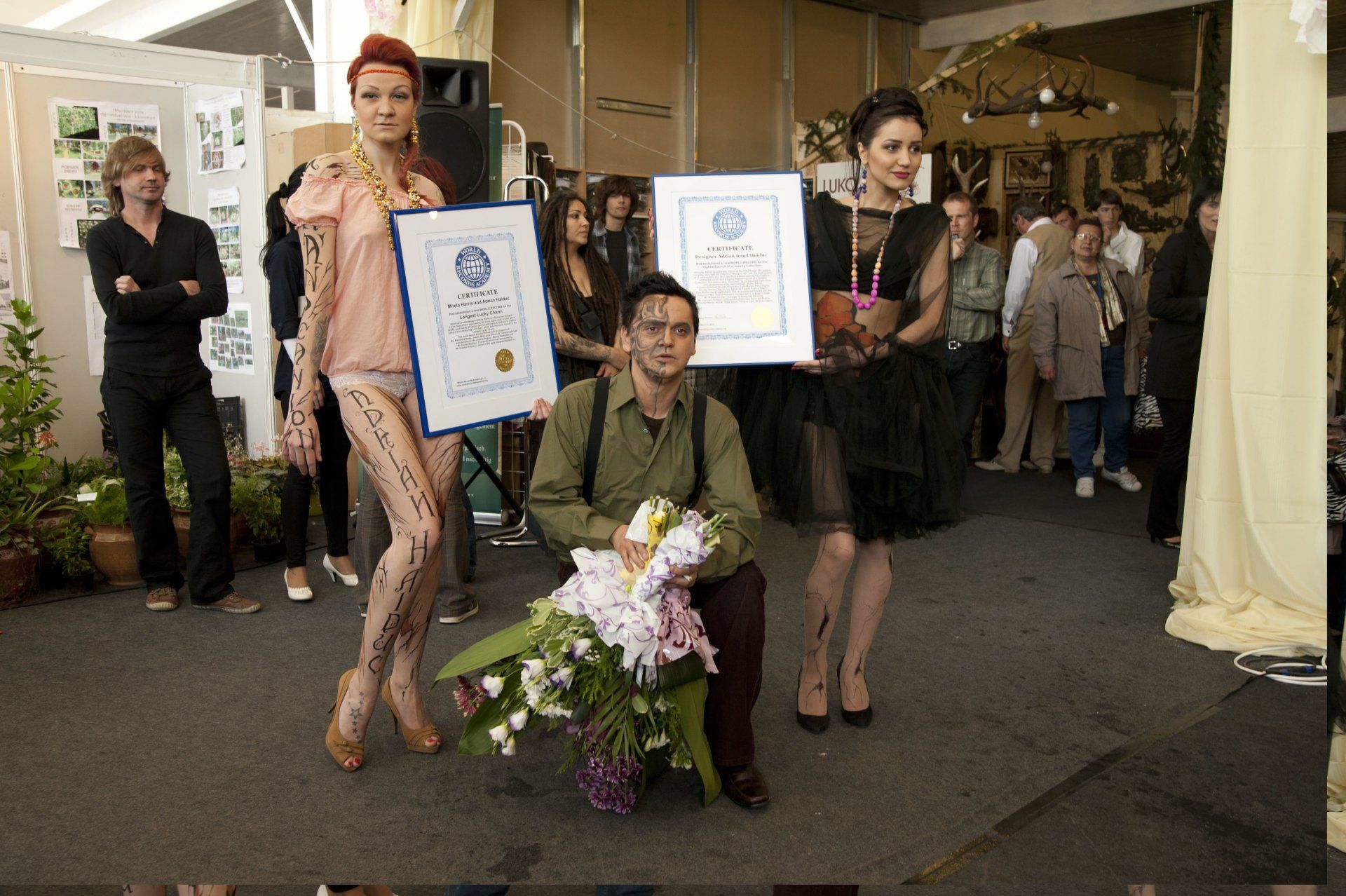
World's Largest Hunting Museum, The Hunting Museum of the Carpathian Mountains sets world record
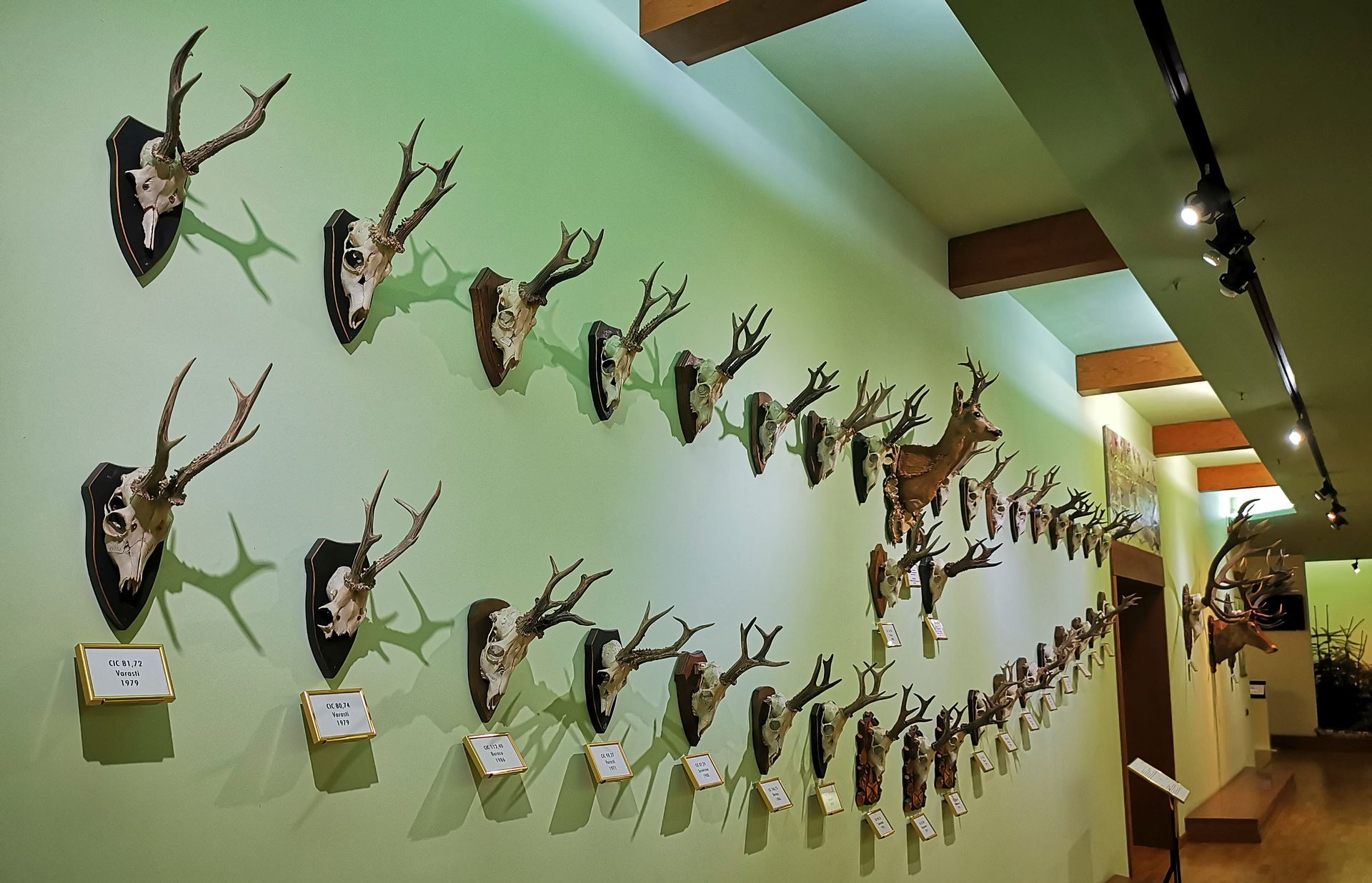
POSADA, Prahova County, Romania--Featuring hunting trophies (over 2,400 pieces), historical weapons, and an extensive collection of European brown bears, historical hunting weapons, the Posada Hunting Museum sets the world record for the World's Largest Hunting Museum, according to the WORLD RECORD ACADEMY.
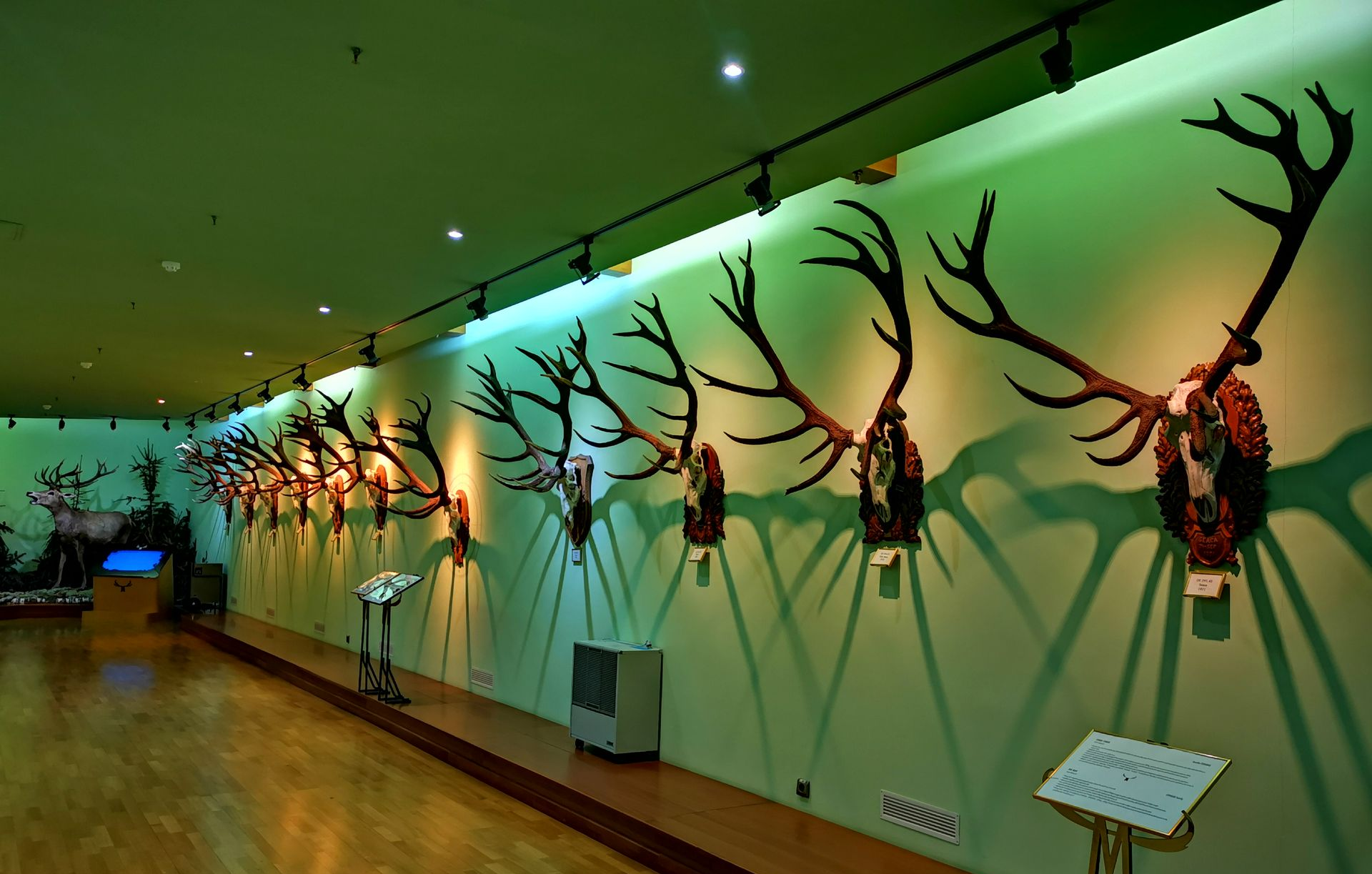
"Posada" Hunting Museum (Posada, Romania): The largest specialized hunting and forestry museum in Romania, featuring thousands of hunting trophies, historical weapons, and an extensive collection of European brown bears.
Key Details
- Location: Posada neighborhood, Comarnic (on DN1, near Sinaia), Prahova County, Romania.
- What it features: An extensive collection of Romanian wildlife taxidermy, hunting trophies (over 2,400 pieces, including record-holding stags and chamois, plus items from Nicolae Ceaușescu's collections), historical hunting weapons, and forest history exhibits.
- Official Website: Muzeul Cinegetic Posada
"Hunting Museum put in a proper light exhibits many of the hunting bill, the impressive collection of trophies from works of art, hunting and weapons-specific characteristic of different stages of human evolution. La Posada Museum, finds expression superlative hunting area, the transfiguration of Romanian game amount aesthetic and cultural dimension in genuine emotion.
"Genuine art galleries, museum galleries so impressed by the number of exhibits, and the distinct personality of each piece, from branches of ebony and ivory horns and fallow deer common to the vast array of crooked daggers or razor harmony, contrast and color rich perlajul of deer antlers. Among predators, wolf fur is remarkable, laughter, wild cat, and most of all, a bear, a mirror of the most vigorous and more numerous populations of these species. (Direct Booking)
"Hunting Museum, therefore, is a place worth seeing is part of the cultural heritage of the lands mioritical having unquestionable value because it proposes the collection to visitors. Length of visit is worth about one hour and rise to interrupt the (sometimes very crowded) to the ski slopes 60 minutes in another world."
"After extensive renovations and connection made in 2004 with strong financial support of the National Forest ROMSILVA heritage which is under Government Decision museum Hunting Posada has reopened on 25 April 2004 with work Assembly General CIC (Council of Institutional hunting). (Tourism Breaza)
"You will surely be surprised to notice new ideas, materials and modern media means used to redevelopment but also the much nicer ambient atmosphere presentation of the thundering collections of art: from the impressive collection of trophies (2400 pieces) to works of art, HUNTERS or utility-specific hunting objects, weapons specific to various stages of human evolution .
"The establishing of Posada Hunting Museum of the Carpathians “RA” represents a cultural and educational act for knowledge and protection of fauna in the country. Romania has a rich flora and fauna biodiversity, recognized in time and space. In this context, exists ecological hunting of Romania, valuable not only in terms of numbers but also of the diversity and vigor, highlighted by the quality trophies. The existence of the valuable collections held in deposits of Posada Hunting Museum Complex awarded at national and international exhibitions have imposed the establishment of this museum
"Comarnic stands along the Prahova River at the southern approach to the mountain resorts. The railway and DN1 made it a familiar name on the journey towards Sinaia, but the town has its own streets, churches and heritage. (Visit Valea Prahovei)
"Posada, part of Comarnic, is particularly associated with the historic Bibescu estate and the Carpathian Hunting Museum. The museum was established in 1996 and reopened after development work in 2004. Its collections present animals and hunting traditions, making it an unusual indoor stop in a valley best known for mountains and castles.
"The museum is not the same as a tour of the entire historic estate. Visitors should check which museum galleries and grounds are included in admission; other buildings may have separate access restrictions."
"Overlaid upon the temperate climate are influences from the mild Atlantic climate, the excessively continental climate of the Asian steppes, and the Mediterranean climate—with the Carpathian arc, characterized by its highly varied terrain, acting as a massive regulator for the movement of air masses.
"Within this ecological context, Romania’s game—notable not only for its numbers but also for its diversity and vigor—stands out, as evidenced by the quality of the trophies. Consequently, Romania has consistently ranked among the top nations in terms of medals won: a world record for chamois at the 1937 International Exhibition in Leipzig; a world record for red deer at the 1981 exhibition in Plovdiv; and world records for bear skulls and pelts, as well as wolf pelts, at the 1985 exhibition in Brno, among others." (Posada Museum)
"The existence of valuable collections held in the repositories of the Posada Complex, as well as those belonging to the A.G.V.P.S. (General Association of Hunters and Anglers) of Romania—not to mention private collections that have won awards at national and international exhibitions—necessitated the establishment of a hunting museum. (Posada Museum)
"This is not a new concept; a tradition already exists in Romania. Notable examples include the former "National Hunting Museum," founded in Bucharest in 1931—which, unfortunately, was destroyed by fire in 1944—as well as the hunting trophy section within the Natural History Museum in Sibiu. The establishment of the Hunting Museum at Posada represents an act of cultural duty and an educational endeavor aimed at fostering an understanding and protection of the country’s wildlife.
"The property—which, at least in terms of available space, is more than generous (the museum building itself has a floor area of over 3,800 square meters, while the grounds of the entire museum complex span approximately
6.5 hectares)—provides the necessary foundation for comprehensive development. The extensive collection of exhibits ranges from an impressive array of trophies (2,400 items) to works of art, hunting-related objects and equipment, and weapons spanning various stages of human evolution, as well as items of historical significance related to forestry and timber harvesting."
"It is worth noting that the exhibitions at the
"Posada" Hunting Museum of the Carpathians
(R.A.) feature several national records: the red deer record (264.51 C.I.C., 2003, Fâncel-Mureș, Ronald Philipp); the former world and national record from Soveja-Vrancea (262.70 C.I.C., 1980, which belonged to Nicolae Ceaușescu); the national record for wild boar tusks (144.00 C.I.C., 1978, Ciornuleasa-Ilfov); and the
national record for a bear skull (69.20 C.I.C., Colibița – Bistrița-Năsăud, Xavier de Montbel).
The collection of firearms further complements the museum's thematic focus.
"The museum offers visitors access to Simway Hunt, one of the most sophisticated 3D shooting and hunting simulators. Here, visitors can enjoy some recreation and hone their hunting skills, with the option to hunt various species—such as bear, wild boar, and birds—or engage in target shooting and range practice."
"The total exhibition area, constructed using drywall partitions, spans 2,000 square meters (across the ground floor, first floor, and second floor) and is divided into various rooms and an evacuation corridor. "Posada" Hunting Museum of the Carpathians
– History of hunting;
– Chamois trophies;
– Red deer trophies;
– Fallow deer, roe deer, and mouflon trophies;
– Wild boar trophies;
– Carnivore trophies (bear, wolf, wildcat, lynx);
– A room dedicated to the great writer Mihail Sadoveanu;
– A room featuring items that belonged to Nicolae Ceaușescu, decorative handicrafts made from deer antler, and modern hunting weapons;
– Traces/tracks of wild animals;
– Birds of prey, capercaillie, and great bustard;
– Danube Delta diorama;
– Forestry;
– Combat weapons;
– Wetland ecosystem;
– Exotic fauna;
– Taxidermy (mounted animals);
– Decorative art;
– Supplementary materials: panels with sketches, maps, and texts;
– Audio system on the ground floor, featuring sounds specific to each species;
– Information stations;
– Audio guides.