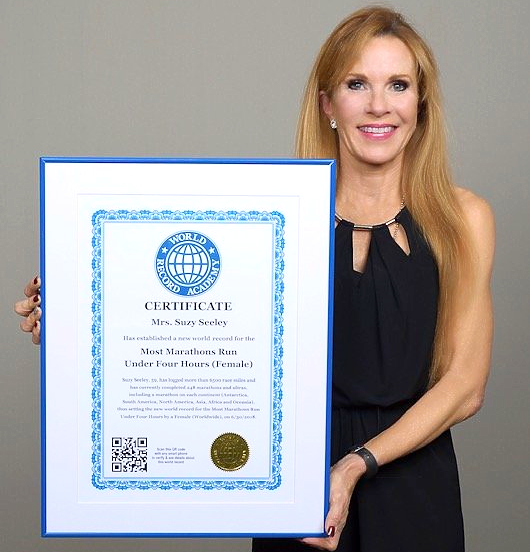
World's Most Mineral and Thermal Spring Waters, Romania sets world record
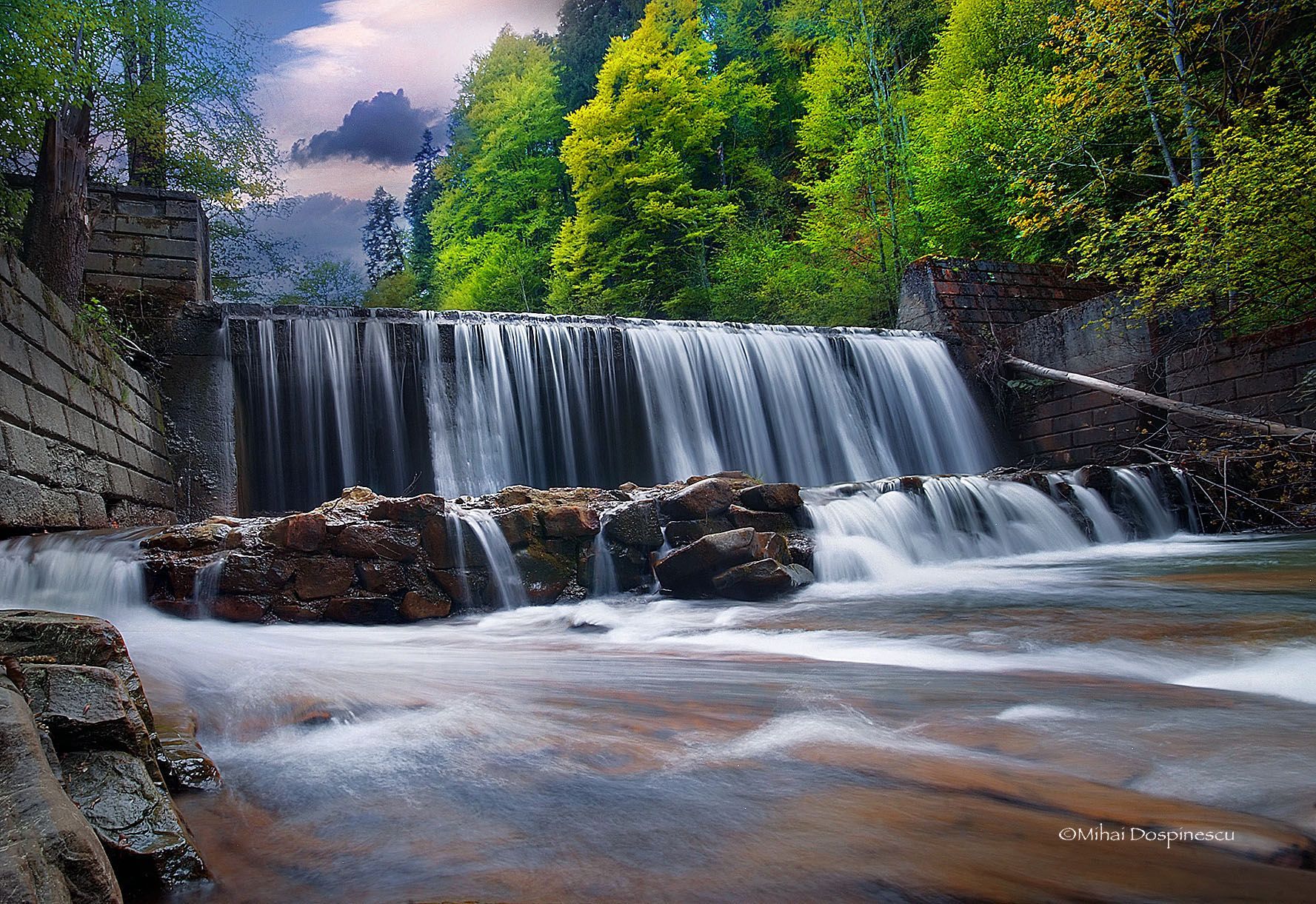
Slănic-Moldova, Bacău County, Romania--Romania owns over 60% of Europe’s mineral water resources; there are over 2000 mineral water springs, most springs have carbonated mineral waters, setting the world record for the World's Most Mineral and Thermal Spring Waters, according to the WORLD RECORD ACADEMY.
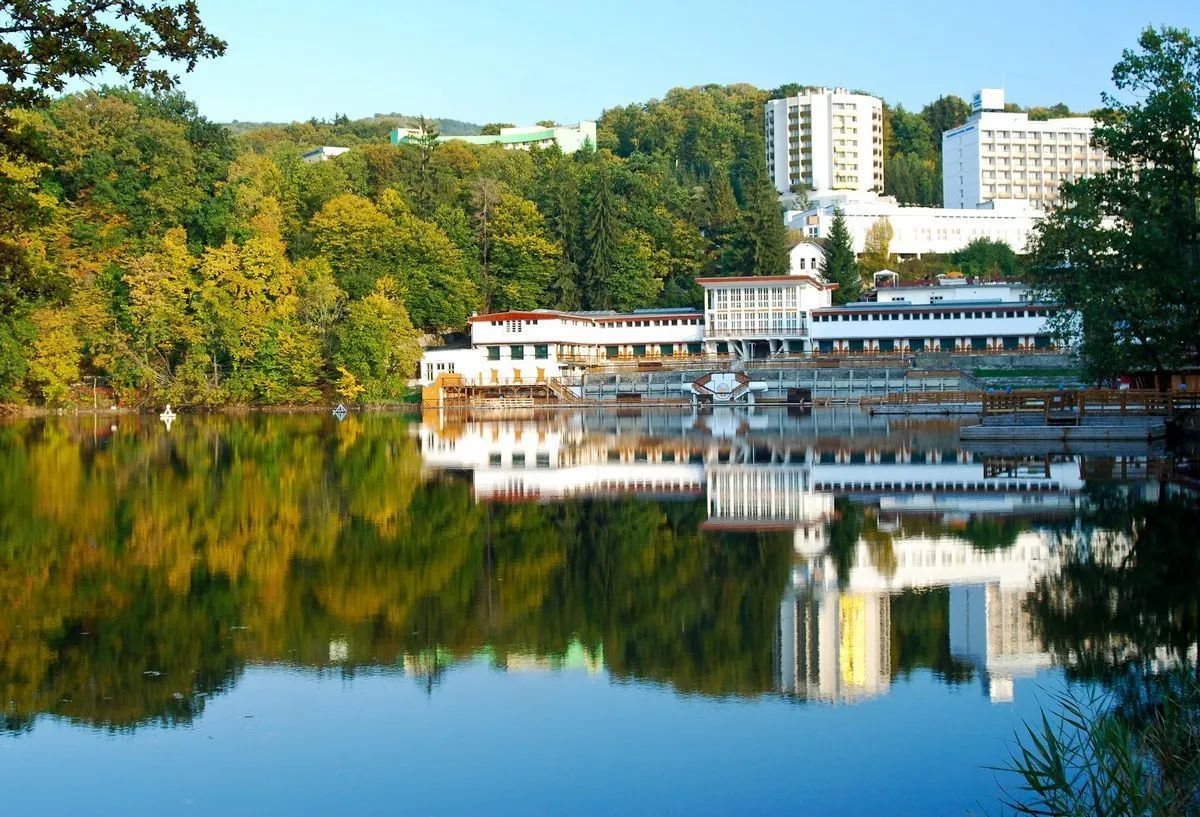
Photo: Complex Panoramic
Major Romanian Mineral Water Brands
- Borsec: Bottled since 1806 in Harghita County, it was named the "Queen of Mineral Waters" by Emperor Franz Joseph in 1873. It is naturally carbonated with a well-balanced mix of calcium, magnesium, and bicarbonate.
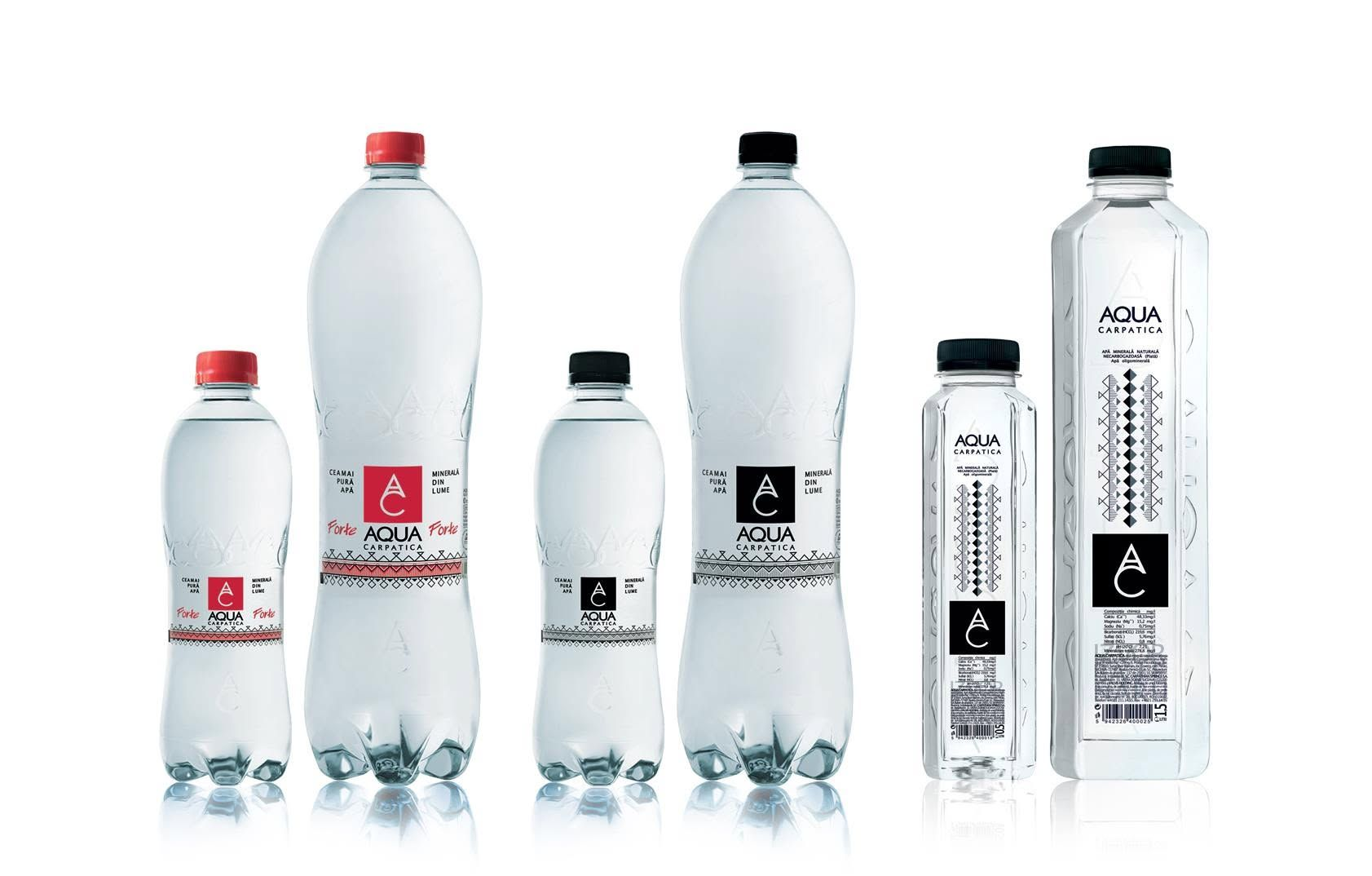
- AQUA Carpatica Sourced from the pristine aquifers of the Carpathian Mountains (Vatra Dornei region), famous for having virtually zero nitrates and a naturally alkaline ph.
- Aur'a Natural Gold Water: Sourced from the Banat Mountains in Caraș-Severin County, this ultra-premium water features a high alkaline pH and naturally suspended nanoparticles of colloidal gold and silver.
- Zizin (județul Brașov) – foarte apreciată pentru sursele din zona Carpaților Meridionali.
- Izvoare (Dâmbovița) – recunoscută pentru puritatea sa.
LIST of natural mineral waters recognized in Romania + Wikipedia's list
Types of Mineral Waters
• Still (non-carbonated): Contains a low level of minerals and has no added or naturally occurring excess carbon dioxide.
• Carbonated (naturally sparkling): Contains carbon dioxide sourced directly from the spring or added in accordance with technical standards.
• Therapeutic: Used in internal treatments or at health resorts for their curative properties.
"The curing qualities of the Borsec springs, which have been studied since 1687, are still valid today, proving its numerous benefits for the metabolism: diabetes, cardiovascular diseases or inflammatory diseases," Romaqua Group Borsec says.
"Borsec’s natural mineral waters contain bicarbonate, calcium, magnesium, sodium; they are hypotonic, non-ferrous, and have a very low iron content. This variety of natural chemical components is what gives the water its special curing capacities. The mineral content is balanced, the iron content is low, and the CO2 concentration is naturally high and stable. All these features provide for the ranking of Borsec’s natural mineral water among the best natural mineral waters.
"In 1774, L. Wagner published a study on Borsec’s natural mineral waters in the “Academische Dissertat” magazine. In 1825, Dr Schneit Dániel wrote the work “The mineral springs of Borsec”. In 1863, J. Meyr, and in 1873 Dr Neustadter, analysed the effects of bathing in Borsec water and started building healing baths known as “Lobogó”, “Lázár”, “O and Uj-Sáros”. In 1893, the “Siebenburgische Quartalschrift” journal listed the new diseases which could be cured by the Borsec mineral water."
"Romania owns over 60% of Europe’s mineral water resources and occupies the 5th place in the European Union in the production of natural mineral water. Romania could become one of the significant players on the mineral water market worldwide, having the potential to provide the necessary mineral water for the European countries for a period of 25 years!
"The mineral water resources in our country are evidenced by significant flows and remarkable quality of springs. In Romania there are over 2000 mineral water springs, whose chemical diversity reflects the very complex geological conditions that have put their mark on their genesis. Most springs have carbonated mineral waters, whose origins are related to post-volcanic phenomena," the Romanian Business Journal says.
"On the territory of Romania, numerous mineral water mining sites have been set up, among which Govora (one of the richest resorts in iodated and brominated waters in Europe, cited in the second in Europe, after Pechelepronne in Alsace), Perla Moldovei within the framework of the mineral water Slănic-Moldova, discovered since 1801, the quality of the mineral waters covered in this deposit has been repeatedly confirmed in Paris, Vienna, or Frankfurt), Domogled-Herculane (“The sacred waters of Hercules” BC), Calimanesti-Caciulata or Borsec."
"When searching for the best thermal spas,
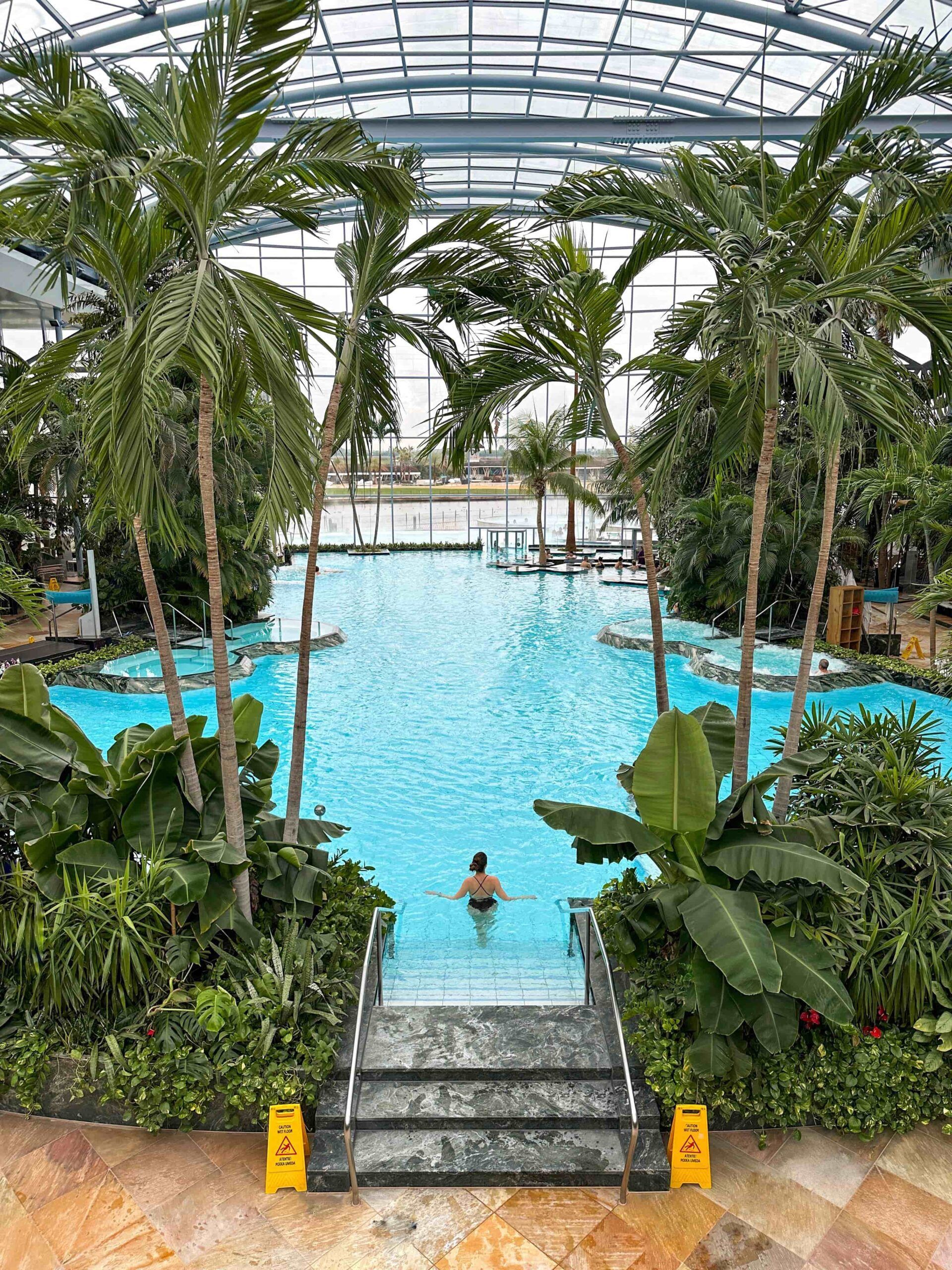
Therme Bucuresti in Romania should be high on your list as it is guaranteed to be a highlight of any Bucharest city break. At 30,000 sq.m it is the largest thermal spa in Europe. With eight pools divided over three areas, there is so much to see and do that spending an entire day here still won’t feel like enough.
"The Palm is the main area which is dotted with 500 palm trees and features therapeutic pools, each containing different minerals to aid health and well-being.The second area is Elysium which is where you’ll find six themed saunas from a salt therapy sauna to a cinema sauna which plays documentaries on a full-size screen as you relax in the heat.
"Last but not least is the fun-filled Galaxy area. With its flumes and wave pool it is the only area suitable for children but is still a guaranteed hit with the grown-ups too," Helen on her Holidays said.
"Romanians drink on average 50 liters of water per capita each year which is half of the European average, according to data from Rio Bucovina, one of the main mineral water bottlers in the country," the
Business Review says.
"The potential to go beyond this level is high, especially when considering the fact that 60 percent of the mineral water reserves in Europe can be found in Romania but only 20 percent of the springs are exploited, argue Rio Bucovina representatives.
"About 11.3 million hectoliters of water are bottled in Romania each year but consumption could well go beyond 35 million hectoliters estimates the company, albeit the annual growth is a modest 5 percent."
Romania holds a large share of Europe's mineral and thermal water springs, featuring everything from modern mega-spas to historic Roman baths. (AI Overview)
Top Thermal Destinations
- Therme Bucharest (Balotești)
- Details: Europe’s largest indoor wellness and thermal spa complex, located just outside Bucharest. It features mineral pools fed by deep thermal waters, a massive botanical garden with thousands of palm trees, waterslides, and themed saunas.
- Vibe / Zones: Divided into Galaxy (family-friendly slides), The Palm (relaxation and mineral pools), and Elysium (adults-only saunas).
Băile Felix (Bihor County)
- Details: Romania’s largest and most famous traditional thermal resort area, known for warm mineral waters (around 20–49°C) and unique thermal lakes home to wild floating water lilies. Popular spots include Lotus Therm Spa&Luxury Resort and the Apollo-Felix Waterpark.
- Specialty: Highly recommended for joint, circulatory, and recovery treatments.
Băile Herculane (Caraș-Severin County)
- Details: One of the oldest thermal spa towns in the world, originally established by the ancient Romans. It offers both modern hotel spas (like Bacolux Afrodita) and rugged, natural outdoor thermal river spots near the Cerna River.
- Specialty: Sulfur-rich thermal waters valued for respiratory and muscular relief.
- Price Level: (natural pools are free/low-cost) to (hotel resorts)
Călimănești-Căciulata (Vâlcea County)
- Details: Situated in the scenic Olt Valley, this resort town features major thermal water parks like AquaPark Cozia, supplied by year-round thermal springs.
- Specialty: Family-friendly thermal pools and respiratory treatments.
Geoagiu-Băi (Hunedoara County)
- Details: Known as Germisara in Roman times, this historic spa site preserves ancient thermal bath ruins alongside modern wellness facilities like the Germisara Resort & Spa.
- Specialty: Calm, mineral-rich thermal bathing surrounded by nature.
Related world records: