World's Largest Street Cats Population, world record set in Istanbul
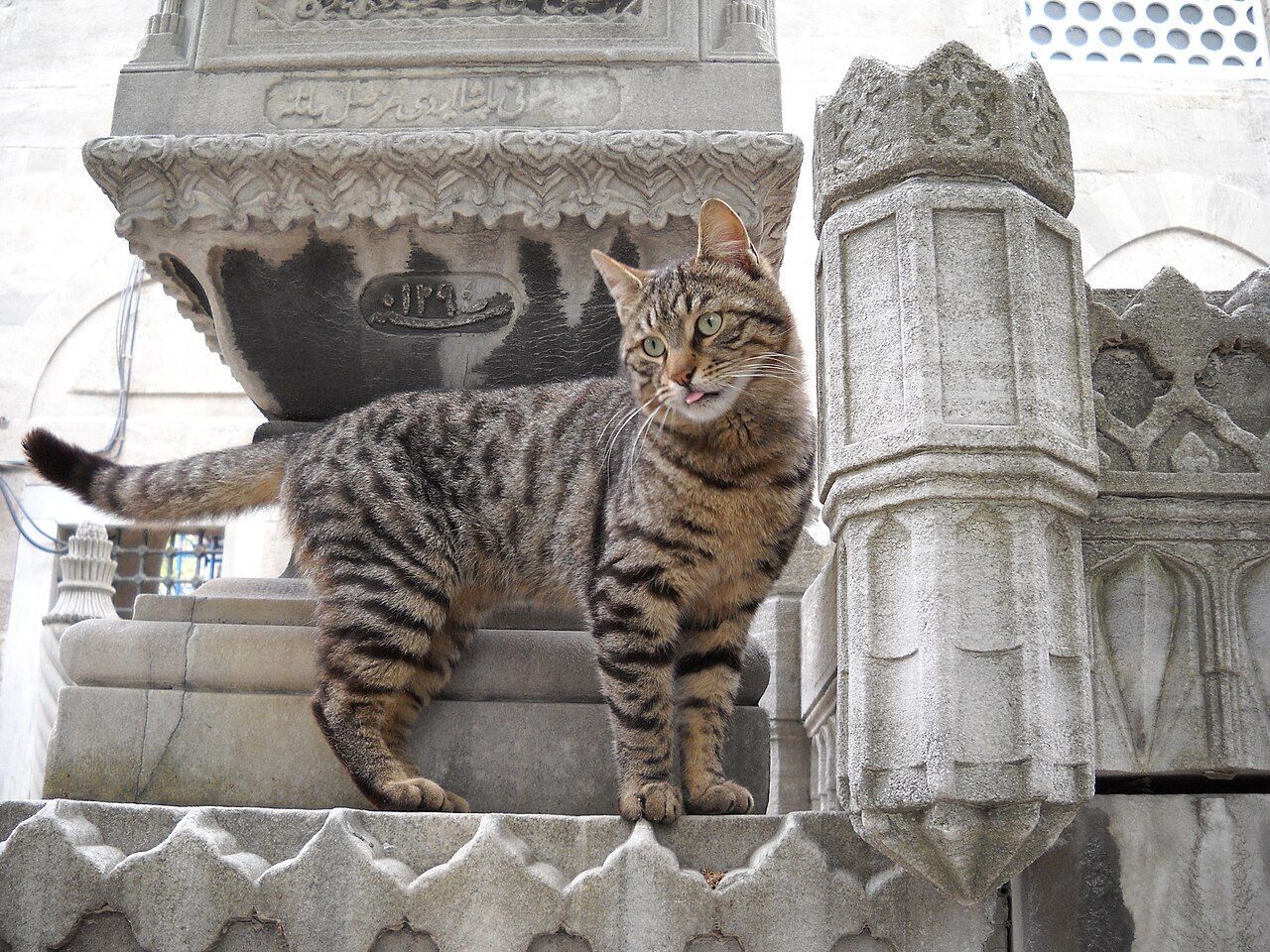
Istanbul, Turkiye--Istanbul, known as the "City of Cats" or "Catstanbul," has more than estimated 150,000 to 250,000 community felines that roam freely through shops, mosques, and neighborhood, who are regularly fed and fussed over by the city's 16 million residents; Istanbul sets the world record for the World's Largest Street Cats Population, according to the WORLD RECORD ACADEMY.
Photo: Wikipedia/Safaktunc
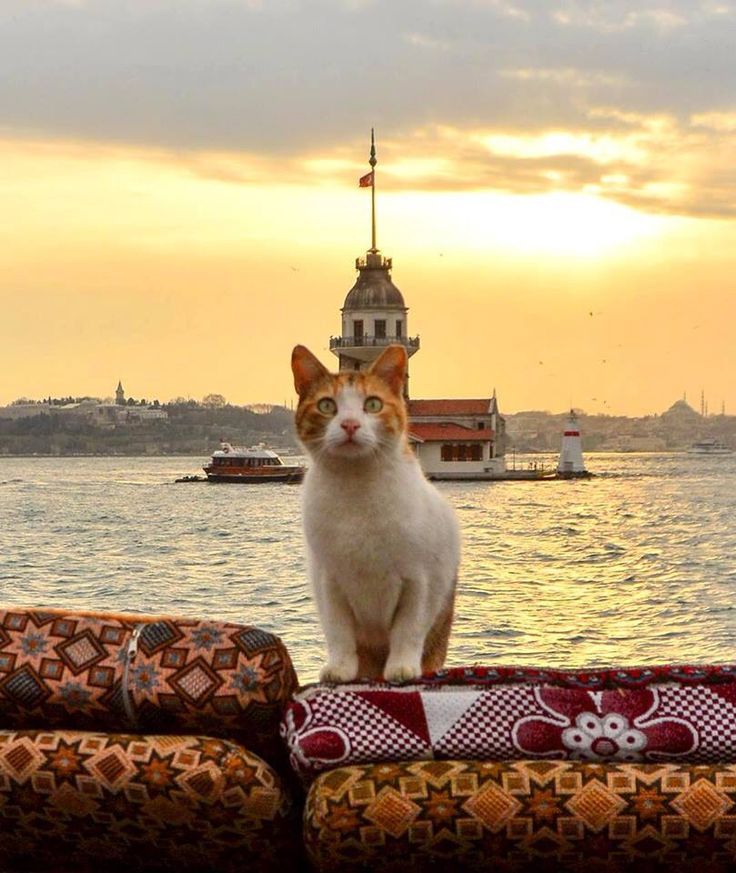
"The Turkish city of Istanbul hosts a sizeable feral cat (Turkish: sokak kedisi, "street cat") population, with estimates ranging from a hundred thousand to over a million stray cats. Many Turkish citizens view street animals as communally owned pets rather than traditional strays, and the country has a blanket no-kill, no-capture policy," Wikipedia says.
Photo: Wikipedia/Ender BOZ
"According to Fatih Dağlı, co-founder of Cat Museum Istanbul, many cats arrived in the city on trading ships trading in Phoenician times, where they were used to keep the rodent populations down. Later, as the spice and silk trades grew in the Roman and Ottoman eras, more cats arrived in ships.
"According to Ayşe Sabuncu from Cats of Istanbul, during Ottoman times, the vast majority of Istanbul's houses were made of wood, which gave shelter and enabled the proliferation of the mouse and rat populations. This made cats' presence a necessity in the city.[3] Marcel Heijnen, photographer and author of City Cats of Istanbul, says that the love of the stray cats led to the creation of a full-time profession - that of the mancacı ("cat sitter"). Mancacıs ensured that the city's cats were fed, and residents could choose to purchase food from them and feed the cats themselves."
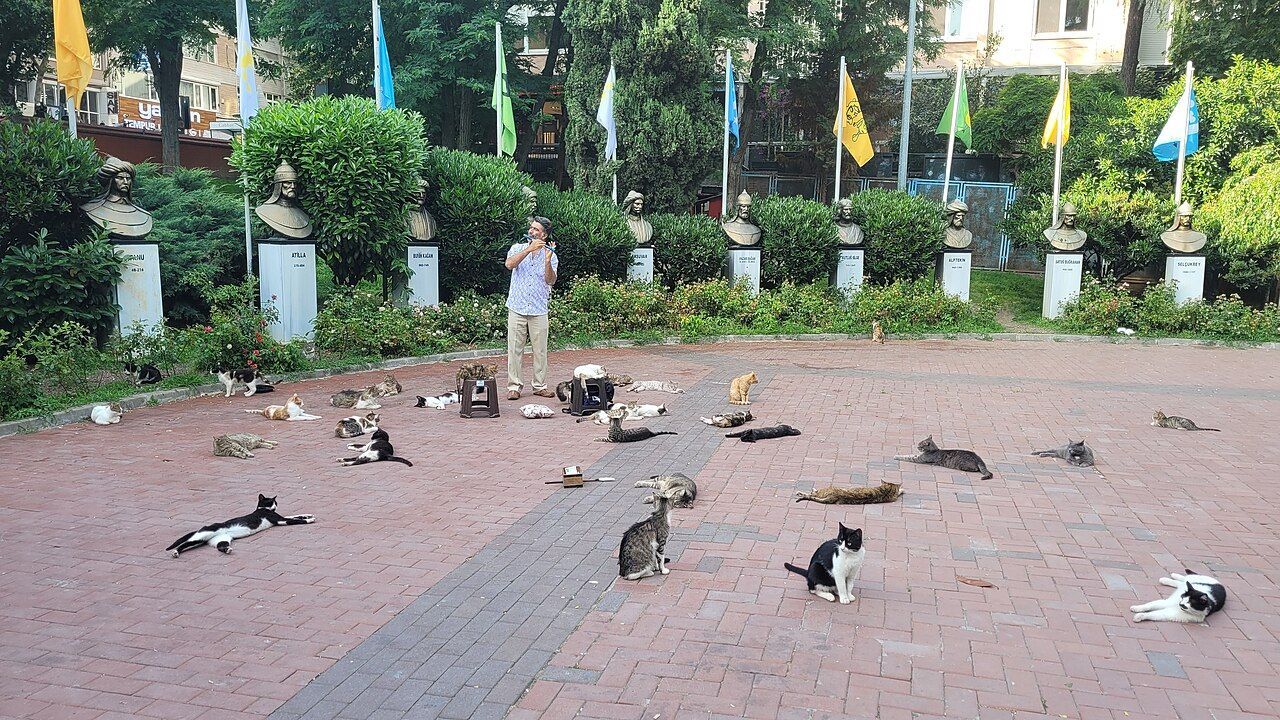
"Approximately 125,000 stray cats are thought to live in Istanbul. When house cats are included, it is estimated that 200,000 cats live in Istanbul. Stray cats can be seen in many places in Istanbul, whether in university classrooms, on ferries, buses, or subway trains, with no one bothering them. This has led to the city being nicknamed "Catstanbul" by cat lovers around the world. Marcel Heijnen says that the cats are a kind of hybrid between strays an, Wikipedia says.
Photo: Wikipedia/or/RealAXL
"Generally, every street in Istanbul has cats that are familiar to locals. In these streets, tiny "cat houses" have been prepared for stray cats. Neighborhood residents place food and water containers in front of their houses to feed stray cats.[12]The Municipality of Istanbul has placed vending machines for cats and dogs in many parts of the city; there are many cats around these vending machines. Citizens passing by put coins into these machines, ensuring that cats and dogs are fed."
"From Ottoman "cat sitters" to modern-day street guardians, Istanbul's bond with its cats runs centuries deep. In Istanbul, a delicate balance is struck daily in its winding streets, mosques, metro stations and cafés," the BBC says.
"More than 15 million people compete for space in Turkey's largest city, which straddles Europe and Asia on either side of the Bosphorus, much like a house cat perched half on the sofa, half on the coffee table. That's the appropriate visual, because there are an estimated quarter of a million stray kitties living here, too. Cats are woven into the very fabric and history of the city, as ubiquitous as the rugs for sale on every corner. This is a city shared; a city that purrs incessantly with love and life.
""Istanbul cats are, on the whole, neither pets nor strays, but a hybrid of those terms," says Marcel Heijnen, photographer and author of City Cats of Istanbul, adding that the cats are not owned by specific people "but taken care of by the community in their respective neighbourhoods".
Istanbul is world-famous as a global capital for street cats, home to hundreds of thousands of free-roaming felines treated as communal pets by residents. Often nicknamed "Catstanbul", the city’s unique bond with cats is rooted in history, culture, and everyday life.
"History and Culture
- Ancient Origins: Ships docking in Ottoman ports brought cats to control rodents, allowing populations to thrive across the city's hills.
- Community Care: Neighborhoods build small wooden cat houses, leave food and water outside, and welcome cats inside shops, restaurants, and mosques.
Istanbul, Turkey is widely considered the world capital for street cats, housing an estimated 150,000 to 250,000 community felines that roam freely through shops, mosques, and neighborhoods. Other notable global spots famous for massive stray or community cat populations include Houtong Cat Village in Taiwan and Japan's famous "Cat Islands" like Aoshima.
Famous Cat Havens Worldwide
- Istanbul (Turkey): Home to hundreds of thousands of semi-owned street cats that are fed, sheltered, and treated like beloved community neighbors rather than strays.
- Houtong (Taiwan): A former coal-mining town transformed into a dedicated cat village featuring pedestrian bridges with custom cat walkways and themed cafes.
- Aoshima and Tashirojima (Japan): Remote Japanese islands where feline residents vastly outnumber the human inhabitants, originally introduced to control mice on silk farms or fishing boats. (AI Overview)
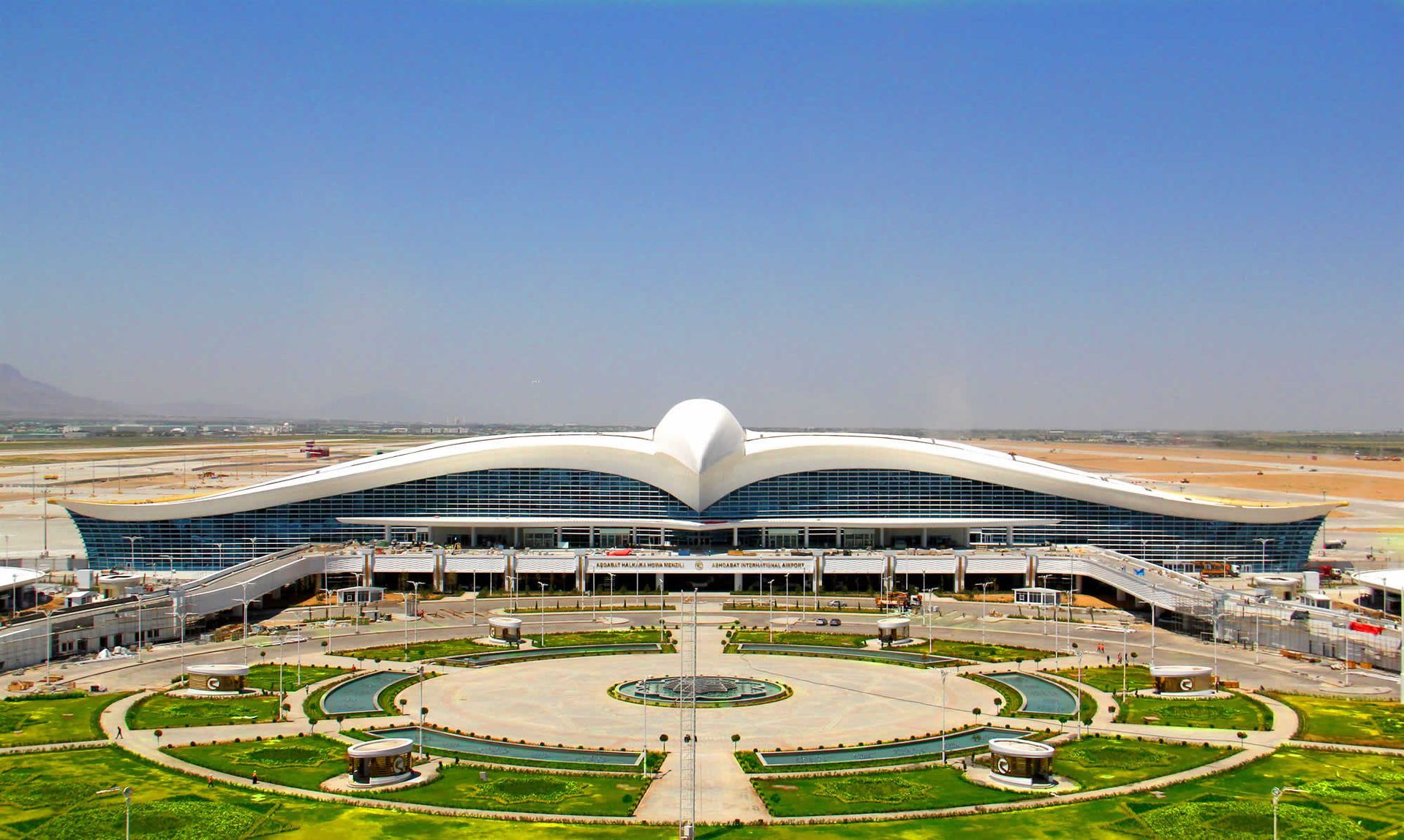
Largest bird-shaped building: Ashgabat International Airport sets world record (VIDEO)
Largest Wing Span Building & Largest 3 Dimensional Aluminum Clad Roof
Turkmenistan’s new International Airport, built by Turkish construction company Polimeks; the design of the new Ashgabat International Airport Complex was inspired from Oguz Khan and the falcon which is one of the national symbols of Turkmenistan.