World's first reversal of type-2 diabetes, China sets world record
BEIJING, China--The Chinese researchers have achieved a remarkable feat by using established stem cell therapy to transplant healthy pancreatic cells to mimic the function of insulin regulation inside the body; this experimental treatment has been successful for the first time, setting the world record for the
World's first reversal of type-2 diabetes,
according to the WORLD RECORD ACADEMY.
Photos: Nature Portfolio
"Chinese scientists have achieved the world's first reversal of type-2 diabetes using stem-cell therapy. Here is what you need to know about the breakthrough and why it matters for the world and for India," the
NDTV reports.
"Chinese scientists have achieved the
world's first reversal of type-2 diabetes using stem-cell therapy. This is no mean feat, as this is historic and globally significant, as type-2 diabetes is prevalent globally and in India.
"Type 2 diabetes is a condition wherein the body is unable to use insulin properly, and it raises your blood sugar levels, so to control it, insulin and medications may be prescribed. But once someone becomes insulin dependent, it is nearly impossible to regain normal function.
"The Chinese researchers have achieved a remarkable feat by using established stem cell therapy to transplant healthy pancreatic cells to mimic the function of insulin regulation inside the body. This experimental treatment has been successful for the first time, wherein the patient isn't dependent on inject-able insulin or medication for managing blood sugar.
How Stem Cell Therapy Works
"There are steps involved in how stem cell therapy was used to reverse type-2 diabetes. Firstly, the scientists use stem cells that are taken from the patient's own body or from a donor. The main reason that they are used is that they have the ability to transform into different types of specialised cells and perform the desired function. In the lab, these stem cells are guided using chemical signals and genetic cues to become pancreatic islet cells. Specifically, they are turned into beta cells, which are the body's natural insulin producers," the
NDTV reports.
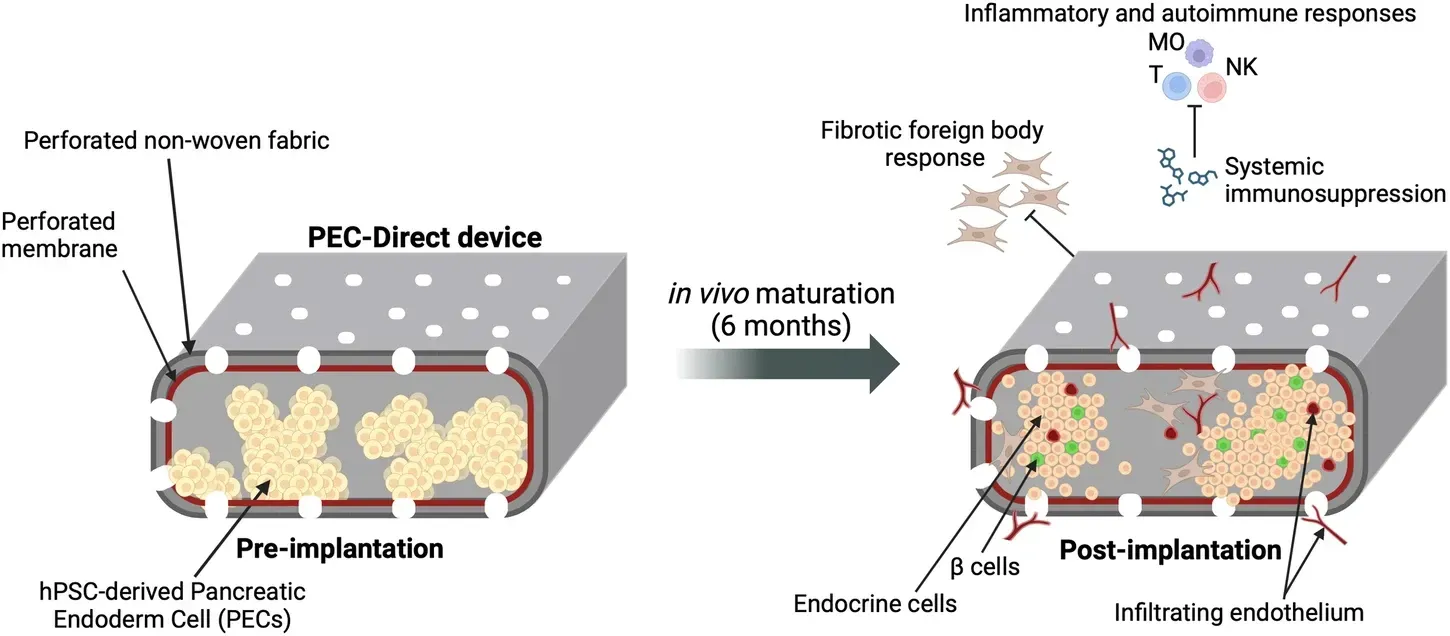
"These cells are now considered reprogrammed and grown into clusters to mimic the natural structure of pancreatic tissue that is damaged. These clusters can sense blood sugar levels and release insulin when needed.
"Then, these insulin-producing clusters are transplanted into the patient's body; in this case, it was the abdomen. Once they are inside, they integrate with the patient's blood supply. The main challenge arises in determining whether the cells are accepted or rejected, which will determine the outcome.
"To restore insulin production, the transplanted cells then begin functioning like healthy pancreatic beta cells. They work to detect rising blood glucose and release insulin accordingly, lowering sugar levels naturally. This reduces or eliminates the need for external insulin injections.
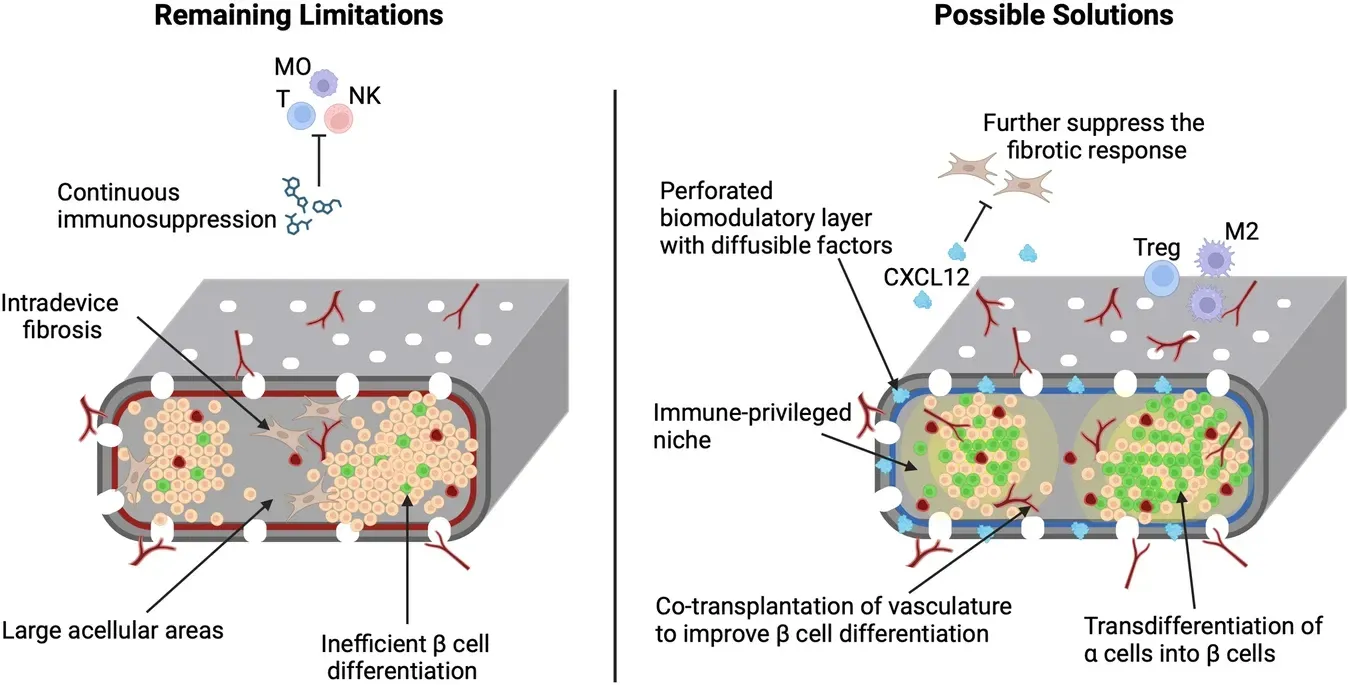
Lastly, the medical professionals monitor the patients to ensure that the transplanted cells survive in the patient's body, keep producing insulin, and do not trigger immune rejection or lead to other complications.
"Stem cell therapy for treating type-2 diabetes is a kind of regenerative medicine that could help create tailored treatment for the disease," the NDTV reports.
"Chinese researchers successfully reversed Type 2 diabetes in a 59-year-old man using innovative stem cell therapy. By transplanting lab-engineered, insulin-producing pancreatic islet cells derived from the patient's own blood cells, the man restored natural blood sugar regulation and remained completely free from insulin and oral medications for over 33 months.
"The Treatment Process
Cell Extraction: Scientists took peripheral blood mononuclear cells from the patient.Reprogramming: They chemically induced these cells to transform into pluripotent stem cells.Islet Generation: The stem cells were coaxed in a lab setting into functional pancreatic islet tissue.Transplantation: The engineered clusters were safely transplanted into the patient to rebuild natural insulin production.
Significance and Caution
- Milestone: It marks a historic step toward biological repair rather than lifelong symptom management.
- Independence: The patient dropped all external insulin injections within weeks and stabilized normal pancreatic function.
- Next Steps: Medical experts emphasize that this is a single case study; larger, broad clinical trials are required before it becomes a mainstream treatment. (AI Overview)
"A 25-year-old woman with type 1 diabetes became the first person to successfully receive a transplant of insulin-producing cells derived from her own reprogrammed stem cells [1]. Less than three months after the transplant, she began producing her own insulin and has been free from insulin injections for over a year. She now enjoys eating foods she couldn’t before, such as sugar and hotpot.
"This groundbreaking procedure, reported in Nature, marks a major step forward in diabetes treatment. James Shapiro, a transplant surgeon, said the surgery has completely reversed her diabetes, which previously required significant insulin doses
"A similar success occurred in Shanghai, where a 59-year-old man with type 2 diabetes received insulin-producing islets made from his own stem cells. He also no longer needs insulin. These pioneering studies demonstrate the potential of stem cells as a treatment for diabetes, offering a limitless supply of tissue and reducing the need for donor organs and immune-suppressing drugs," the National Institute of Health says.
"In a groundbreaking trial, Deng Hongkui, a cell biologist at Peking University, and his team took cells from three people with type 1 diabetes and reverted them to a pluripotent state, meaning they could develop into any type of cell. This technique, originally developed by Shinya Yamanaka at Kyoto University nearly 20 years ago, was modified by Deng’s team to use small molecules instead of proteins, allowing for better control [3].
"They used these chemically reprogrammed stem cells to create 3D clusters of insulin-producing islets, which were tested for safety in animals. In June 2023, the team transplanted about 1.5 million islets into a woman’s abdominal muscles—a new approach, as most islet transplants are done in the liver. By placing the cells in the abdomen, they could monitor them with MRI and remove them if necessary. The operation took less than 30 min.
"Stem cells reverse woman’s diabetes — a world first. Patient is the first person with type 1 diabetes to receive this kind of transplant.
"A 25-year-old woman with type 1 diabetes started producing her own insulin less than three months after receiving a transplant of reprogrammed stem cells1. She is the first person with the disease to be treated using cells that were extracted from her own body," the Nature says.
"Chinese researchers have achieved a medical breakthrough by using endoderm stem cell-derived islet-like tissues (E-islet) to restore pancreatic islet function in patients with diabetes, potentially offering a new therapeutic option for millions worldwide.
"A study published in The Lancet Diabetes & Endocrinology shows that a Shanghai-based team has successfully treated three patients with type 1 diabetes using E-islet. This innovative therapy showcases the potential efficacy of such approaches in addressing this severe chronic condition, which traditionally necessitates lifelong insulin injections.
"Our approach is like replacing a 'part' for the patient," said Cheng Xin, co-corresponding author of the paper from the Chinese Academy of Sciences' Center for Excellence in Molecular Cell Science,"
The Chinese Academy of Science says.